
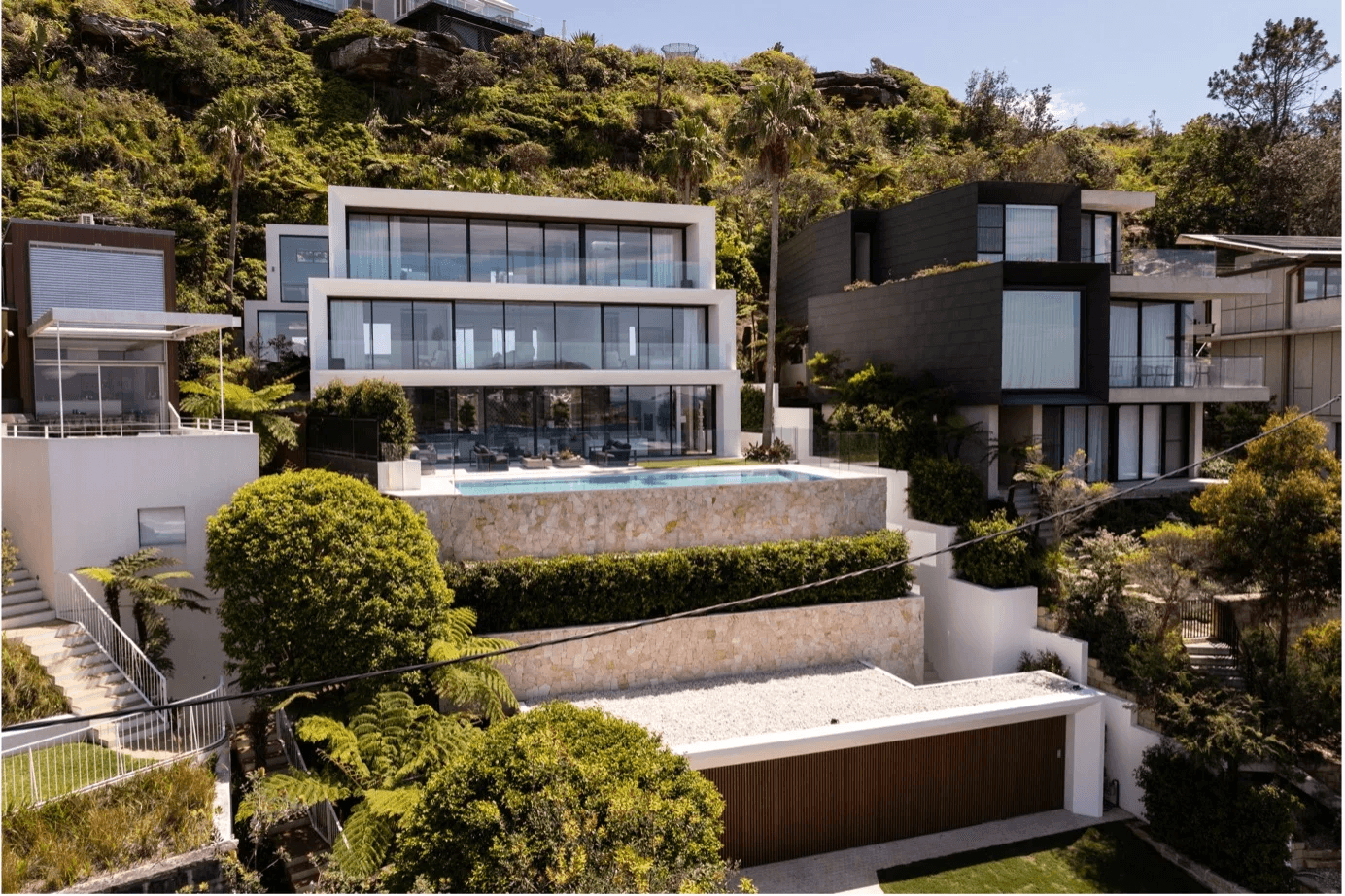
On average, a coastal home’s exterior should be repainted every 5 to 7 years, compared to 8 to 10 years for inland properties. Harsh salt air, intense UV exposure, and wind-blown sand degrade paint films much faster, making regular maintenance essential.
The Short Answer: Coastal vs. Inland Intervals
Living near the water on Sydney’s Northern Beaches (like Avalon, Newport, or Manly) or in the Eastern Suburbs (like Bondi, Bronte, or Coogee) comes with stunning views but significant exterior maintenance demands.
While a house inland might comfortably go a decade without a fresh coat, coastal properties face aggressive environmental elements that accelerate paint wear.
Here are the typical painting intervals for Sydney homes:
- Direct Beachfront (within 500m of the ocean): Every 4 to 6 years.
- Coastal Suburbs (within 5km of the ocean): Every 5 to 7 years.
- Inland Sydney (further than 5km from the ocean): Every 8 to 10 years.
Keeping to these timelines prevents paint from failing completely. Once paint begins to crack and peel, moisture penetrates the timber or masonry substrate, leading to rotted weatherboards, rusted fittings, and structural damage that costs far more to repair than a preventative repaint.
What Makes Coastal Paint Wear Faster?
Understanding why the ocean environment degrades coatings helps you spot early warning signs and choose the right protective measures.
1. Salt Spray and Residue
Ocean breezes carry airborne salt particles that deposit onto your home’s walls. Salt is hygroscopic, meaning it draws moisture out of the air. This constant cycle of drying and wetting causes paint to blister and peel away from the timber or plaster beneath.
2. High UV Exposure
Sydney’s sun is intense, and the reflection off the ocean double-exposes coastal homes to UV radiation. UV light breaks down the binders in paint, leading to “chalking”—a powdery white residue that indicates the paint film is thinning and losing its protective qualities.
3. Thermal Expansion and Contraction
In coastal areas, hot summer afternoons are often followed by cool southerly breezes. This rapid temperature shift causes timber weatherboards and trim to swell and shrink. If the paint film lacks flexibility, it will crack under the strain.
Exterior vs. Interior Repaint Intervals
While exteriors bear the brunt of the weather, interior repaint intervals are largely driven by usage, family dynamics, and design trends:
- Exterior Surfaces: 5 to 7 years (essential for structural protection).
- High-Traffic Interior Areas (Hallways, Kitchens, Living Rooms): 3 to 5 years (due to scuffs and dirt).
- Low-Traffic Interior Areas (Guest Bedrooms, Study): 7 to 10 years (or when you want a colour update).
Signs You Shouldn’t Wait
Do not wait for your home’s paint to fall off in sheets before taking action. Look for these early warning signs of degradation:
- Chalking: Rub your hand along a sunny exterior wall. If a white, chalky powder transfers to your fingers, the binder has failed.
- Hairline Cracks: These are tiny entry points for water. Once moisture gets behind the paint, it will quickly expand.
- Fading or Discolouration: If your paint has lost its depth or turned patchy, its UV protection is gone.
- Bubbling or Blistering: Indicates that moisture is trapped under the paint film, breaking the adhesion.
To understand more about the signs of degradation, explore our guide on exterior painting services.
How to Make a Repaint Last Longer
You can extend the lifespan of your exterior paint job by up to 3 years by following these three steps:
- Invest in Preparation: This is crucial. Surfaces must be pressure-washed to remove salt build-up, sanded smooth, and primed with high-adhesion coastal primers.
- Choose Marine-Grade Paints: For rendered and masonry surfaces we use elastomeric systems like Dulux Acratex, and for weatherboard and timber we use Dulux Weathershield. Both are formulated to expand and contract without cracking and contain UV blockers.
- Regular Washing: Wash down your home’s exterior walls with fresh water once or twice a year, especially under eaves where rain doesn’t naturally wash away salt deposits.
Booking the Right Time of Year
In Sydney, painting is possible year-round, but some seasons offer better drying conditions than others:
- Spring: The driest, least humid stretch of the year, and the ideal season for exterior painting.
- Winter: Great for dry, clear days (August especially), though shorter days and heavier dew limit the painting hours.
- Autumn: Mild temperatures, but it’s Sydney’s wettest season, so allow for rain days.
- Summer: Fine if the painting follows the shade; avoid hot, direct-sun walls. Interior work suits this season well.
For the full season-by-season breakdown, see the best time of year to paint a house in Sydney.
Not sure if your exterior needs doing this year? Ask us for a free inspection and quote. We will give you an honest read on whether you need to act now or if your paint can safely wait another year.